The digital world is evolving faster than ever, and businesses must continuously adapt to remain
competitive. Digital marketing and IT services are no longer optional strategies; they are
essential tools for growth, brand visibility, and customer engagement. With new technologies,
automation, and data-driven strategies emerging every year, companies must stay updated with
the latest trends and methods to succeed in the digital landscape.
The Growing Importance of Digital Marketing
Digital marketing has transformed the way businesses connect with their customers. Unlike
traditional marketing, digital platforms allow companies to target specific audiences, track
performance in real time, and optimize campaigns for better results. Businesses today rely on
search engines, social media platforms, email marketing, and paid advertising to reach potential
customers worldwide.
Search Engine Optimization (SEO) continues to play a vital role in digital marketing. Companies
are focusing on creating high-quality content, improving website performance, and optimizing
keywords to rank higher on search engines. Local SEO is also gaining importance, helping
businesses attract nearby customers through optimized Google Business Profiles and
location-based searches.
Artificial Intelligence in Marketing
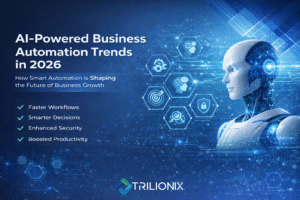
Artificial Intelligence (AI) is one of the biggest trends shaping digital marketing today.
AI-powered tools can analyze customer behavior, predict trends, and automate marketing
campaigns. Chatbots, personalized email marketing, and automated customer support systems
are becoming standard features for many businesses.
With AI-driven analytics, marketers can understand their audience better and deliver
personalized experiences. This improves customer engagement and increases conversion rates
significantly.
Video Marketing and Short-Form Content
Video marketing continues to dominate digital platforms. Short-form videos on social media
platforms such as reels, shorts, and stories are gaining massive engagement. Businesses are
using creative video content to showcase products, share customer testimonials, and highlight
brand stories.
Video content is not only engaging but also improves brand visibility and audience trust.
Companies that invest in high-quality visual content are seeing higher engagement rates and
better online reach.
Social Media Advertising
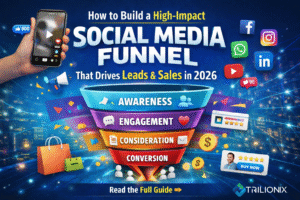
Social media advertising has become a powerful marketing tool for businesses of all sizes.
Platforms such as Facebook, Instagram, LinkedIn, and TikTok allow brands to run highly
targeted advertising campaigns. Marketers can target users based on location, interests, age,
and online behavior.
These platforms provide detailed analytics that help businesses measure campaign
performance and optimize ads for better results. Paid advertising combined with organic social
media strategies helps businesses reach a larger audience and generate more leads.
Data-Driven Marketing Strategies
Modern marketing decisions are now heavily based on data and analytics. Businesses use
customer data to understand preferences, purchasing behavior, and engagement patterns. This
allows marketers to design personalized campaigns that resonate with their audience.
Tools like Google Analytics, CRM systems, and marketing automation platforms help
businesses track performance metrics such as website traffic, conversion rates, and customer
acquisition costs. These insights help companies refine their strategies for better ROI.
The Role of IT Services in Digital Transformation
IT services play a crucial role in supporting digital marketing strategies. Businesses rely on IT
infrastructure for website development, cybersecurity, cloud computing, and software
integration. A strong IT foundation ensures smooth online operations and protects sensitive
customer data.
Cloud-based solutions are becoming increasingly popular as they allow businesses to store and
manage data efficiently. Cybersecurity is another major focus area, as companies must protect
their digital assets from potential threats and data breaches.
Integration of Marketing and Technology
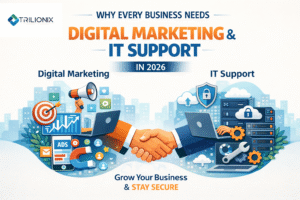
The future of business growth lies in the integration of marketing and technology. Companies
are combining digital marketing strategies with advanced IT solutions to create seamless
customer experiences. From automated marketing platforms to AI-powered customer insights,
technology is transforming how businesses operate and interact with their audience.
Businesses that embrace these innovations are more likely to achieve long-term success and
maintain a competitive advantage in the digital marketplace.
Conclusion
Digital marketing and IT services are constantly evolving, driven by new technologies and
changing consumer behavior. Trends such as artificial intelligence, video marketing, social
media advertising, and data-driven strategies are shaping the future of online business.
Companies that stay updated with these trends and invest in modern marketing and IT solutions
can improve their brand visibility, reach new customers, and achieve sustainable growth in an
increasingly digital world.